
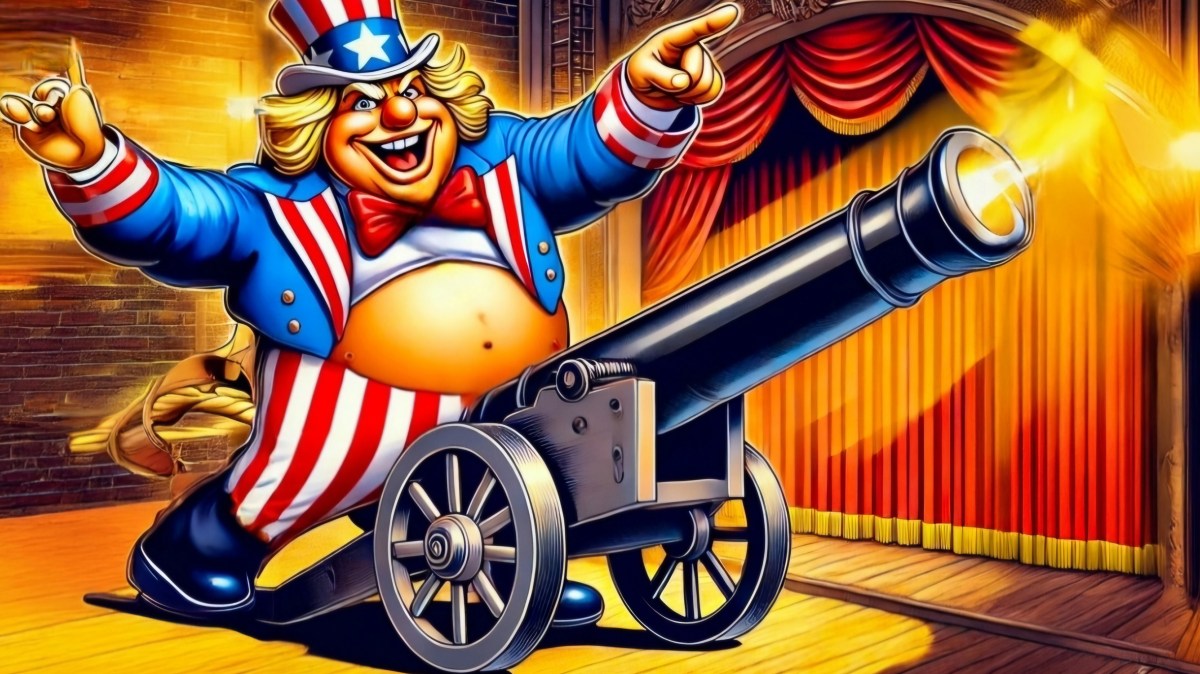
Trump’s war on diversity in the arts threatens America’s cultural and economic power. From Nazi Germany to Soviet Russia, history proves that artistic suppression leads to stagnation. Will the U.S. repeat these failures?
As Donald Trump continues dismantling diversity and civil rights protections, the 45th and 47th President of the United States is erasing the very voices that have shaped America’s global cultural dominance. From jazz to hip-hop, Hollywood to Broadway, and literature to visual arts, America’s creative power thrives on its diversity. Without it, we don’t just lose art—we lose economic strength, international influence, and the soul of our nation.
History shows that societies embracing artistic diversity flourish, fostering cultural innovation and economic growth. Conversely, those enforcing homogeneity—through totalitarian regimes, colonial rule, or rigid hierarchies—experience stagnation, economic setbacks, and a loss of creative dynamism. The suppression of marginalized voices has repeatedly hindered both cultural evolution and economic development.
Now, history threatens to repeat itself. Trump’s executive orders directing the National Endowment for the Arts (NEA) to reject grant applications for projects, artists, or institutions that promote diversity signal the starvation—and eventual extinction—of the American cultural landscape. Already implemented, these policies are causing severe short-term consequences and long-term socio-economic damage, mirroring historical examples of artistic exclusion.

Historical Precedents of Artistic Exclusion
Nazi Germany: The Eradication of “Degenerate Art”
One of the most infamous examples of artistic suppression was the Nazi regime’s war on “degenerate art” (Entartete Kunst). Adolf Hitler and the Nazi leadership deemed modernist movements—such as Expressionism, Dadaism, and Cubism—decadent, subversive, and un-German. Jewish, avant-garde, and leftist artists were persecuted, their works banned, and their careers destroyed.

In 1937, the Nazis organized the Degenerate Art exhibition in Munich, displaying confiscated works to ridicule and denounce them. Meanwhile, many of Germany’s most innovative artists, including Max Beckmann, Wassily Kandinsky, and Paul Klee, fled into exile. The mass exodus of creative minds resulted in a profound cultural loss for Germany, while other countries—particularly the U.S.—benefited from the influx of artistic talent. The suppression of modernist art left Germany culturally insular, depriving it of global influence and causing long-term economic setbacks in the art market.
The Soviet Union: Socialist Realism and the Death of Innovation
Under Joseph Stalin, the Soviet Union enforced Socialist Realism as the sole acceptable artistic style, requiring all art to glorify communist ideals and portray a utopian vision of Soviet life. Abstraction, surrealism, and experimentation were deemed counter-revolutionary and either banned or censored.
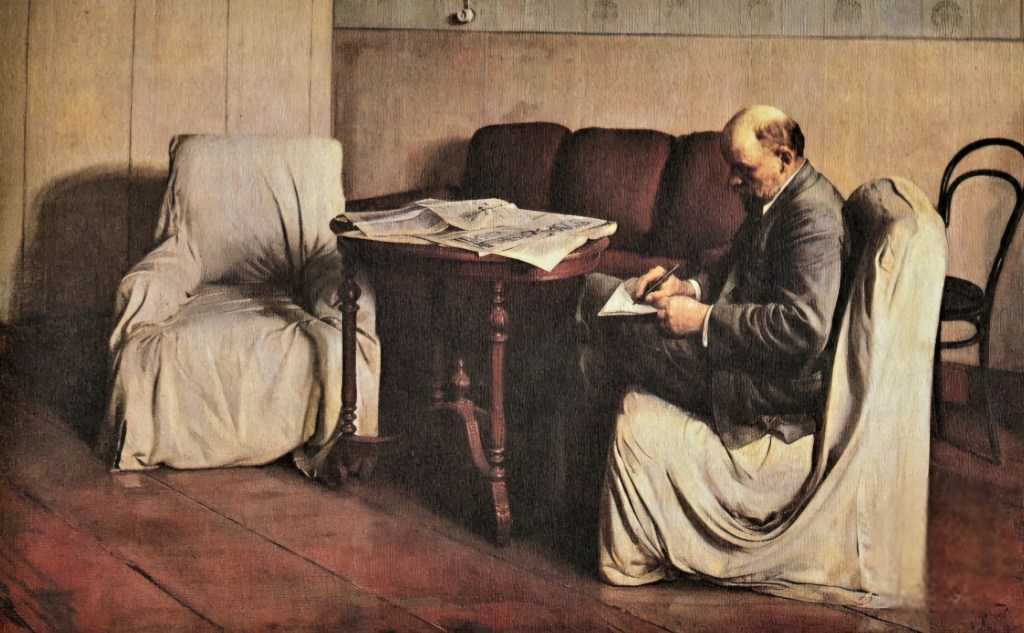
Socialist Realism
Artists, writers, and musicians who strayed from the state-approved aesthetic faced exile, imprisonment, or execution. The repression of avant-garde movements—such as Constructivism and Futurism—crippled the Soviet Union’s artistic vanguard. While Socialist Realism produced technically skilled works, its lack of diversity and creative freedom rendered it formulaic and uninspiring.
Meanwhile, Western nations that encouraged artistic pluralism—such as the U.S. and France—experienced economic booms in their creative industries. American Abstract Expressionism, for instance, gained international prominence during the Cold War, solidifying the U.S. as a leader in modern art. By suppressing artistic experimentation, the Soviet Union not only stifled cultural innovation but also missed out on the economic advantages of a thriving arts sector.
Colonial Rule and the Erasure of Indigenous Arts
Colonial powers frequently imposed their artistic traditions on occupied regions, suppressing indigenous art forms. In Africa, Asia, and the Americas, colonial rulers dismissed native artistic expressions as primitive or inferior, replacing them with European styles.
In British-controlled India, traditional artistic techniques and schools of thought were sidelined in favor of European academic realism. Indigenous dance, theater, and painting suffered as colonial authorities sought to reshape local cultures in a European image. As a result, artisans lost patronage, and indigenous artistic traditions declined. Though many of these art forms were revived post-independence, the lost decades hindered their growth and economic potential.
Similarly, in parts of Africa, colonial rule disrupted traditional storytelling, sculpture, and music, devaluing indigenous craftsmanship. This erasure not only damaged cultural heritage but also limited economic opportunities for local artists, who could have thrived in global markets had their crafts been nurtured rather than suppressed.

The Economic Toll of Artistic Homogeneity
Beyond cultural stagnation, suppressing artistic diversity has significant economic consequences. Countries that limit artistic expression miss out on the financial benefits of a thriving creative economy, including film, music, literature, and fine arts. Creative industries contribute billions to GDP, drive tourism, and shape global cultural influence.
For example, Hollywood’s global dominance is fueled by its diversity of voices and storytelling styles. In contrast, nations that enforce rigid artistic doctrines—such as North Korea—struggle to generate economic value from their arts sector. Diversity fosters innovation, and innovation drives economic growth.
Short-Term Consequences of the Executive Orders
1. Economic Instability for Artists and Arts Institutions
By cutting funding to diversity-focused projects, many artists and arts organizations that rely on NEA grants face financial ruin. Museums, theaters, dance companies, and community arts programs that serve historically marginalized groups will struggle to survive, leading to closures and job losses.
2. Cultural Stagnation and Reduced Innovation
Historically, artistic movements that challenge dominant narratives spark innovation. By limiting funding to diverse voices, the U.S. risks a stagnant, repetitive arts landscape. Without support, new perspectives and creative approaches may struggle to find platforms, leading to a decline in groundbreaking artistic contributions.
3. Decreased Representation and Social Polarization
The arts foster dialogue, empathy, and understanding across cultural and social groups. Without institutional support, representation of diverse stories will diminish, deepening social divides. Art exploring racial justice, gender identity, or immigration will be pushed to the margins, limiting national engagement with critical issues.
Long-Term Consequences and Global Impact
1. Weakening of the U.S. Creative Economy
The American creative economy, which contributes billions to GDP, thrives on cultural diversity. Film, literature, theater, and visual arts generate significant revenue through ticket sales, tourism, and international recognition. If the U.S. restricts diverse artistic expression, other nations may surpass it as cultural powerhouses, reducing American influence in global arts and entertainment markets.
2. Brain Drain of American Artists
As funding dries up for diverse artists, many will seek opportunities abroad. Just as Nazi Germany and the Soviet Union lost their most innovative artists to exile, the U.S. risks a similar artistic migration. Countries with more inclusive arts policies—such as Canada, the U.K., and France—may become new hubs for American artists, weakening the U.S.’s cultural exports.
3. Generational Decline in Artistic Development
Cutting diversity-focused funding will discourage young artists from marginalized communities from pursuing careers in the arts. Over time, this could lead to a homogenized artistic field dominated by a narrow demographic, stifling future cultural evolution.
4. International Backlash and Damage to Diplomatic Relations
Art has long been a powerful tool of diplomacy, showcasing a nation’s values and cultural richness. Restricting diverse artistic voices damages the U.S.’s reputation as a champion of free expression, inviting criticism from international cultural and human rights organizations. Countries that once admired American artistic leadership may turn elsewhere, diminishing U.S. soft power.
Conclusion: The High Cost of Exclusion
Trump’s executive orders restricting funding to diversity-focused arts programs are part of a broader attack on diversity, equity, and inclusion (DEI) initiatives. Throughout his political career, he has obstructed social equity efforts—rolling back affirmative action, banning diversity training in federal agencies, and appointing judges hostile to civil rights protections. His track record—defined by chaos, obstruction, and disregard for long-term consequences—strongly suggests he will not reverse course.
If history is any guide, Trump will not change. His leadership favors division over unity, and his policies reflect an ideological agenda aimed at erasing the very inclusivity that has defined America’s cultural and economic strength. Without widespread public opposition, legal challenges, and sustained advocacy, his administration’s attack on diversity in the arts will only escalate, further isolating the U.S. from global cultural progress.
Reversing these policies and investing in diverse artistic voices will ensure continued cultural innovation, economic strength, and international influence. The cost of exclusion is steep, but the rewards of inclusivity are immeasurable. History teaches that societies thrive when they embrace artistic pluralism—not when they suppress it.
About Paul Russell
Paul Russell’s career in the entertainment industry spans over forty years as an award-winning casting director, director, and the author of the NEW & EXPANDED edition of ACTING: Make It Your Business – How To Avoid Mistakes and Achieve Success as a Working Actor.
He has cast for 20th Century Fox, HBO, Broadway, and regional theater. Featured in American Theatre Magazine, Paul has directed premieres and worked at the Tony Award-recognized Barter Theatre. He teaches master classes at university BFA and MFA actor training programs and privately online with actors globally. Paul began his career in entertainment as a successful working actor.
For daily acting tips, acting career advice, audition & industry insights plus casting news follow Paul on Instagram.
 Answers for Actors
You must be logged in to post a comment.